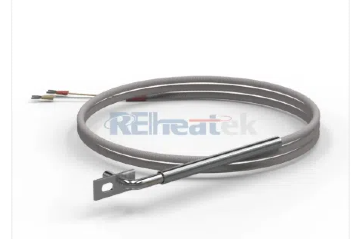
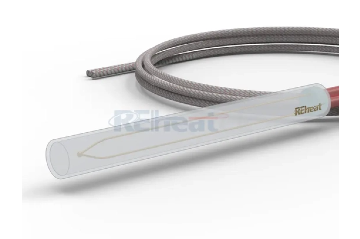
The round flange and square flange type of flange immersion heaters are appliances that can withstand a high amount of power or watts. They are considered for installation into a tank, pipe body, or pressure vessel with the use of a standardized pipe size.
The availability of the heaters is of many different rates, sheath materials, and size; as well as custom flange heater for the heating purpose of air, water as well as gases.
The efficiency of flange immersion heaters is a result of the total generation of energy directly into the medium that is being heated.
Common similarities in all flanged heaters are that; they are constructed with brazed and welded into a carbon steel pipe tabular heater. The 150lbs type of flanged immersion heaters is the most suitable and accepted type, although, 300lbs are also obtainable.
However, for the best industrial operation using a flange immersion heater, consulting an experienced flange immersion heater manufacturer for premium products is the best way to have a great deal.
Major Applications Of Flange Immersion Heaters
1. Warming Equipment
2. Petro-Chemical
3. Oil Heating Loops
4. Sewage Processing/Recycling/Water Purification
5. Heating & Preheating All Grades of Oil
6. Food Processing Equipment
7. Cleaning and Rinsing Tanks
8. Heat Transfer Systems
9. Process Air Equipment
10. Boiler Equipment
11. Hot Water Storage Tanks
12. Freeze Protection of Fluids
13. Caustic Solutions
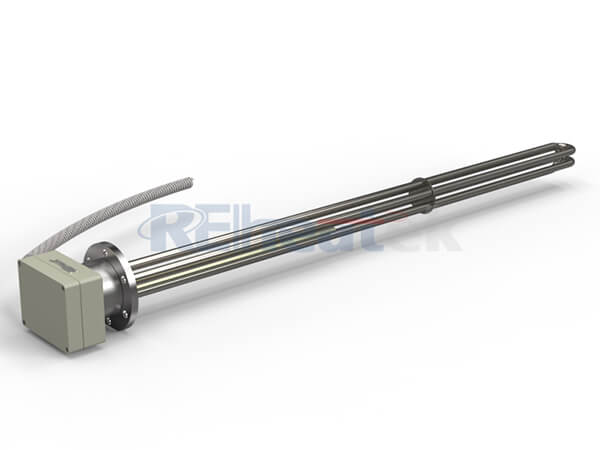
Standard Construction Features 0f Flange Immersion Heaters
1. Elements
Materials: Mainly Copper, steel, 304/316 stainless steel, Incoloy
Number of elements in flanges — 3, 6, 9, 12, 18, 21, 27, 36, 45 plus
Watt density — 6.5, 15, 23, 45, 75W/in2
Element diameter — 0.315” - 430"
2. Flange
Materials — stainless steel,Carbon steel,
Sizes — 3", 5", 6", 8" 10", 12", 14", 150 lb.
Rating — 150 lb. pressure class per ANSI B16.5
3. Heavy coil construction
The watt density designed on the heating coil is basically for low watt density. Its operation is by the increment of coil length and diameter to give limit temperature on coil surface, maximum coil surface area, and long-lasting life span.
4. High conductivity elements
It is constructed with the utmost pure amount of magnesium oxide refractory (MgO) and of very dense compaction which gives assurance of high thermal conductivity, electrical resistance, and long life of the element.
Temperature Controls Of Flange Immersion Heaters
A well-installed thermostat protective well (thermowell) is employed through the flange parallel with the heating elements, and it seems to be the standard on many models.
The provision of ½" thermowell is required for temperature detection and it is associated with a thermostat or different NPH type control technologies.
Readjustment of a particular control can be made to match the exact process control needed. When the voltage and/or current is beyond the power of the thermostat, a contactor is required.
Also, when a high level of accuracy or a flexible control scheme is needed, other types of controls can be used. The connections of the controls are very easy to fix.
Terminal Enclosures Of Flange Immersion Heaters
The use of electrical wiring with the regulations of the National Electric Code and a limit maximum operating temperatures such as outside vessel temperatures, flanges, piping, screw plugs, enclosures, and other heat-conducting parts with special attention to flammable liquids, vapors, or gases present saves operation of equipped heaters.
The assurance of safe operation in the time of system malfunction is used by approved temperature limiting and/or pressure controls.
Conclusion
The flange immersion heaters are appliances that can withstand a high amount of power.
The availability of the heaters is of many different rates, sheath materials, and size; as well as custom flange heater for the heating purpose of air, water, and other gases.
Also, consulting an experienced flange immersion heater manufacturer for premium products is the best way to have a great deal and a device with a long life span.