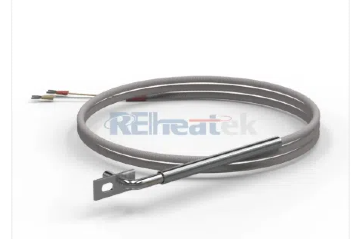
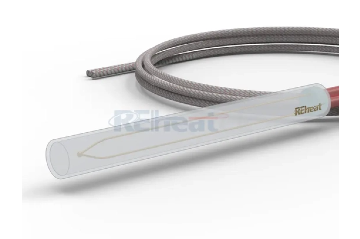
Looking for the right heating solution? Band heaters are crucial in many industrial processes, ensuring efficient heat distribution. Choosing between Ceramic Band Heaters and Mica Band Heaters can significantly impact your operations.In this post, we’ll compare both types of heaters to help you decide which one best fits your needs. You'll learn about their features, benefits, and key differences to make an informed choice.
Understanding Band Heaters
What Are Band Heaters?
Band heaters are essential heating devices used to apply heat to cylindrical surfaces. They typically consist of a resistive element wrapped around a metal band, which is then mounted on a barrel, nozzle, or other machinery.
Applications of Band Heaters
Band heaters are widely used across industries. Their versatility makes them suitable for:
Plastic processing: Heating barrels in injection molding and extrusion.
Food packaging: Keeping materials at the right temperature during packaging.
Metalworking: Heating metal parts for forming, welding, or other processes.
How Band Heaters Work
Band heaters function by transferring heat from the heating element to the surface of the barrel, nozzle, or machinery. They can be mounted directly around the part that needs heating, providing efficient and consistent temperature control. The heat is applied either by conduction (in the case of mica heaters) or infrared radiation (as with ceramic heaters).
What Are Ceramic Band Heaters?
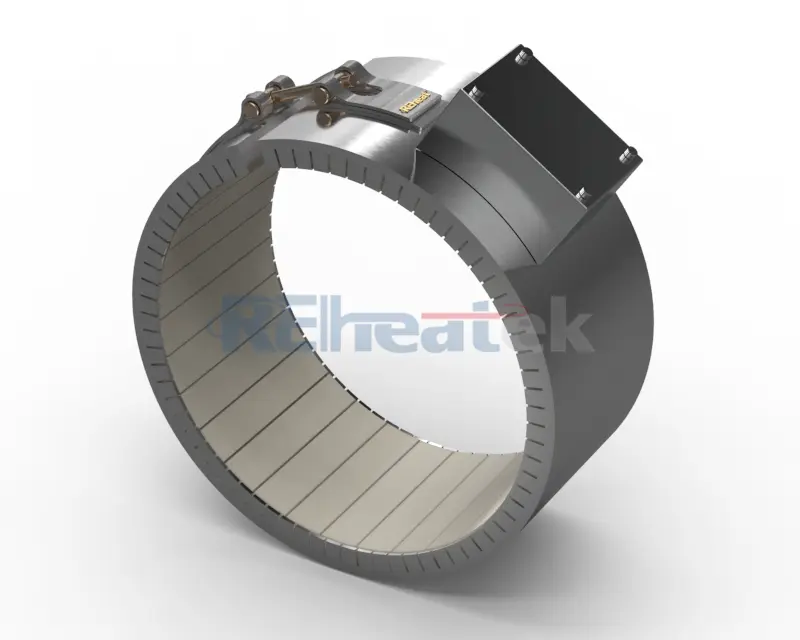
Construction and Composition of Ceramic Band Heaters
Ceramic band heaters are made by embedding resistance wire in a ceramic core. This core is then surrounded by a metal sheath, usually made of stainless steel or other alloys. The ceramic core is crucial for the heater’s performance.
Materials used:
Ceramic core: Often made from magnesium oxide or alumina-based compounds.
Resistance wire: Typically made from alloys like nichrome.
Metal sheath: Stainless steel or Incoloy is commonly used for protection.
The ceramic core not only provides electrical insulation but also helps improve heat retention. It resists thermal stress and ensures consistent heat distribution.
Key Advantages of Ceramic Band Heaters
Ceramic band heaters offer several advantages, particularly for high-temperature applications:
High-temperature capability: They can handle temperatures up to 1400°F (760°C) or more, ideal for industries requiring intense heat.
Durability and robustness: Ceramic materials are resistant to thermal shock, making these heaters durable even in environments with frequent heating and cooling cycles.
Faster heating and energy efficiency: Ceramic band heaters heat up more quickly and maintain energy efficiency due to their superior heat retention properties.
Common Applications of Ceramic Band Heaters
Ceramic band heaters are widely used in industries that require high temperatures:
Aerospace: Used in heat treatment processes and for high-precision components.
Automotive: Applied in metalworking and manufacturing processes.
Glass manufacturing: Essential for melting and shaping glass materials.
Semiconductor manufacturing: Used for precise temperature control in semiconductor fabrication processes.
These heaters excel in high-temperature and harsh environments, where reliability and performance are critical.
What Are Mica Band Heaters?
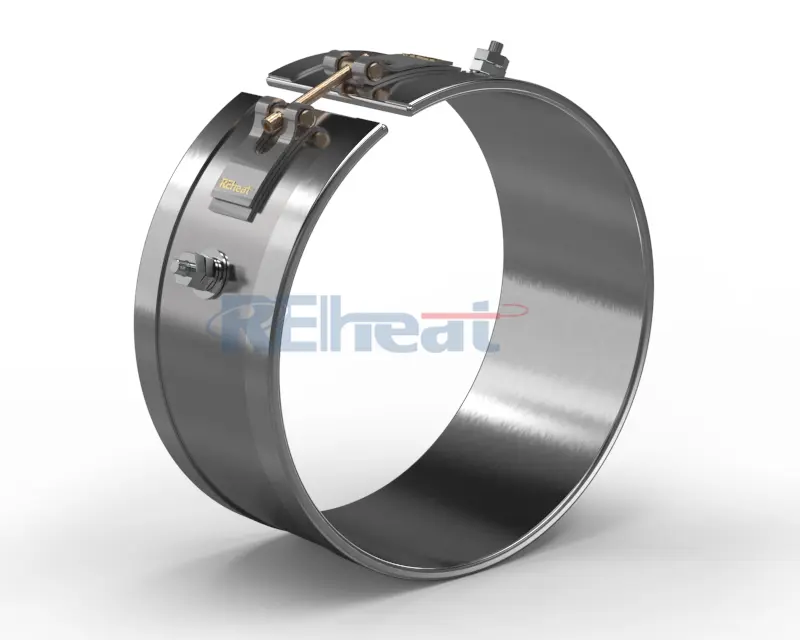
Construction and Composition of Mica Band Heaters
Mica band heaters are built using a combination of mica insulation, resistance wire, and a protective metal sheath. The materials work together to provide efficient heating and durability
Materials used:
Mica insulation: Natural mica acts as an electrical insulator while allowing heat transfer.
Resistance wire: Typically made of nichrome or similar alloys, it generates heat when an electric current passes through it.
Metal sheath: Usually stainless steel, it encases the heater and protects the internal components.
The mica insulation plays a critical role in heat transfer. It allows heat to pass through efficiently, while also providing electrical insulation to keep the components safe.
Key Advantages of Mica Band Heaters
Mica band heaters are often chosen for their cost-effectiveness and adaptability in various applications:
Cost-effective: Mica heaters are typically more affordable than ceramic heaters, making them a budget-friendly option.
Customizable: These heaters can be tailored to different shapes and sizes, including slots and holes, to meet specific application needs.
High watt density: They are designed to handle high watt density, making them ideal for plastic processing operations like injection molding and extrusion.
Common Applications of Mica Band Heaters
Mica band heaters are commonly used in industries where moderate heating is required, such as:
Plastic processing: Used in injection molding and extrusion to maintain consistent barrel temperatures.
Food processing: Applied to keep food packaging machinery at the right temperature.
Packaging machinery: Keeps the machinery heated to optimal temperatures during the packaging process.
These heaters are essential for industries requiring efficient and reliable heat in moderate-temperature environments.
Key Differences Between Ceramic and Mica Band Heaters?
Temperature Range and Performance
One of the most significant differences between ceramic and mica band heaters is their temperature range:
Ceramic heaters: Can withstand temperatures up to 1400°F (760°C) or more, making them ideal for high-temperature processes.
Mica heaters: Typically operate at temperatures up to ~900°F (482°C), suitable for moderate heating needs.
The temperature capability of ceramic heaters makes them perfect for industries like metalworking and aerospace, while mica heaters are better for plastic processing and food packaging.
Durability and Longevity
Ceramic heaters are more durable than mica heaters, especially in extreme conditions:
Ceramic heaters: Designed to handle frequent thermal cycling and physical stress, they resist damage better, making them last longer in harsh environments.
Mica heaters: While durable, they can struggle under extreme conditions, especially where rapid temperature changes or physical impacts occur.
Mica heaters are still reliable, but ceramic heaters outperform them in long-term durability, particularly in high-stress industries.
Heat Transfer Efficiency
Heat transfer efficiency plays a big role in the performance of both types of heaters:
Ceramic heaters: Provide superior thermal efficiency due to the dense ceramic material, which helps maintain consistent and uniform heat distribution.
Mica heaters: Have good heat transfer properties but can be less efficient in high-temperature applications, especially when thermal contact is compromised.
Ceramic heaters excel at providing even heat, while mica heaters are more limited in their effectiveness at high temperatures.
Cost Comparison
When it comes to cost, the two types of heaters differ in both initial investment and long-term performance:
Initial costs: Mica heaters are generally more affordable upfront, making them a more cost-effective option for budget-conscious projects.
Long-term costs: Although ceramic heaters come with a higher initial cost, they often offer better performance efficiency and longer service life, reducing overall maintenance and replacement costs.
Choosing between the two depends on your budget and how long you need the heater to perform at its best.
Flexibility and Customization
Mica heaters offer more flexibility in design and customization compared to ceramic heaters:
Mica heaters: Can be easily customized with holes, slots, and various shapes to suit different applications. This makes them highly adaptable for specific needs.
Ceramic heaters: Due to their rigid ceramic structure, they are less customizable. They are typically made to standard sizes, which limits their versatility in some applications.
Mica heaters win when it comes to customization, but ceramic heaters provide a more reliable, robust solution in high-temperature settings.
| Feature | Ceramic Band Heaters | Mica Band Heaters |
| Max Temperature | Up to 1400°F (760°C) | ~900°F (482°C) |
| Durability | High thermal shock resistance | Susceptible to physical stress |
| Heat Efficiency | Superior, uniform heat | Less efficient at high temps |
| Cost | Higher initial cost | Lower upfront cost |
| Customization | Limited due to rigid design | Highly customizable |
How to Choose the Right Band Heater for Your Application?
Key Factors to Consider When Choosing Between Ceramic and Mica Band Heaters
When deciding between ceramic and mica band heaters, keep these factors in mind:
Temperature requirements: Consider the heat needed for your process. Ceramic heaters are better for high temperatures, while mica heaters suit moderate heating needs.
Durability and longevity: Ceramic heaters excel in environments with frequent thermal cycling, as they resist thermal shock and physical stress better than mica heaters.
Energy efficiency and long-term costs: Ceramic heaters may have higher initial costs but offer greater energy efficiency and a longer lifespan, reducing overall operational costs.
Required customization: If you need heaters in custom sizes, shapes, or watt densities, mica heaters provide more flexibility due to their easier customization options.
Recommended Applications for Ceramic Band Heaters
Ceramic band heaters are best suited for industries and applications requiring high temperatures and durability:
Recommended Applications for Mica Band Heaters
Mica band heaters are ideal for applications where moderate heating is needed, and cost is a significant factor:
Summary of the Pros and Cons of Ceramic Band Heaters and Mica Band Heaters
Ceramic Band Heaters Pros
Ceramic band heaters offer several advantages, especially in demanding applications:
High temperatures: They can handle temperatures up to 1400°F (760°C) or more, ideal for high-heat processes.
Durability: Built to withstand frequent thermal cycling and physical stress, they last longer in harsh environments.
Energy efficiency: Ceramic heaters are highly efficient, reducing overall energy consumption.
Minimal installation requirements: The design of ceramic heaters allows for easy installation and minimal maintenance.
Ceramic Band Heaters Cons
Despite their benefits, ceramic heaters come with some downsides:
Higher initial cost: Ceramic heaters tend to be more expensive upfront compared to mica heaters.
Limited flexibility in design: The rigid ceramic structure restricts customization options for unique application needs.
Mica Band Heaters Pros
Mica band heaters are popular for their affordability and versatility:
Cost-effective: Mica heaters are more affordable, making them a budget-friendly choice for many applications.
Customizable: These heaters can be easily customized in terms of size, shape, and watt density.
Light-weight: Mica heaters are typically lighter than ceramic heaters, which can make installation easier.
Suitable for plastic processing: Their high watt density makes them ideal for plastic processing applications like injection molding and extrusion.
Mica Band Heaters Cons
While mica heaters are effective, they have some limitations:
Lower maximum temperature range: Mica heaters typically operate up to around 900°F (482°C), which is not suitable for high-temperature applications.
Less durable: Mica heaters are more prone to damage from thermal shock and physical stress compared to ceramic heaters.
Need for precise installation: Mica heaters require careful installation to ensure proper contact and avoid overheating.
| Heater Type | Pros | Cons |
| Ceramic Band Heaters | High temperature range, durability, energy efficiency, easy installation | Higher initial cost, limited design flexibility |
| Mica Band Heaters | Cost-effective, customizable, lightweight, ideal for plastic processing | Lower max temperature, less durable, precise installation required |
Conclusion
When choosing between ceramic and mica band heaters, consider your specific needs. Ceramic heaters are best for high-temperature, durable applications, while mica heaters are ideal for cost-effective, moderate heating.Assess your requirements carefully, as both heaters have their advantages. Ceramic and mica heaters each serve unique purposes depending on the operational environment.
FAQs
Q: Can Ceramic Band Heaters be used for plastic processing?
A: Yes, ceramic band heaters can be used for plastic processing, especially in applications requiring high temperatures, such as injection molding and extrusion.
Q: How long do Mica Band Heaters last?
A: Mica band heaters typically have a shorter lifespan compared to ceramic heaters, as they are less durable under thermal stress. They may last a few years depending on usage and maintenance.
Q: Are Mica Band Heaters cheaper than Ceramic Band Heaters?
A: Yes, mica band heaters are generally more affordable upfront compared to ceramic band heaters, making them a budget-friendly option.
Q: Can Ceramic Band Heaters be repaired?
A: Ceramic band heaters can be repaired by replacing the ceramic assembly, often at a lower cost than buying a new heater.
Q: What is the average lifespan of Ceramic Band Heaters?
A: Ceramic band heaters have a longer lifespan due to their durability and thermal shock resistance, lasting several years with proper maintenance.