1. Introduction to Thermo Sensors
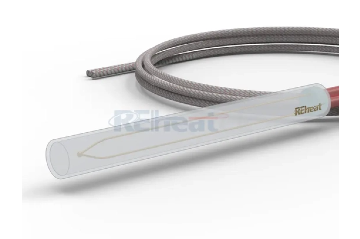
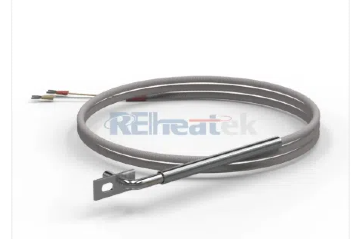
A thermo sensor is a critical component in many temperature control systems, including HVAC thermostats, industrial machinery, medical devices, and household appliances. These sensors detect temperature changes and send signals to control units to regulate heating or cooling processes. Without a properly functioning thermo sensor, temperature management becomes unreliable, leading to inefficiency, equipment damage, and discomfort.
Thermo sensors come in several types, such as thermistors, resistance temperature detectors (RTDs), and thermocouples, each with unique characteristics suited to different applications. Regardless of the type, all thermo sensors share the purpose of monitoring temperature accurately to maintain safe and optimal system operation.
2. How Thermo Sensors Work in Thermostats
Thermo sensors operate by measuring temperature changes through electrical properties like resistance or voltage variation. For example, thermistors change resistance based on temperature, while thermocouples generate a voltage proportional to temperature differences.
In thermostat systems, the thermo sensor continuously monitors the environment's temperature and sends feedback to the control unit. This feedback allows the thermostat to activate or deactivate heating or cooling equipment to maintain the desired setpoint. Accurate sensor readings are essential for preventing temperature swings, ensuring energy efficiency, and preserving equipment longevity.
3. Signs That a Thermo Sensor Is Going Bad
Detecting a failing thermo sensor early can save costs and prevent damage. Common symptoms include:
Erratic Temperature Readings: Temperatures may jump unexpectedly or display inconsistent values, confusing the control system.
Inconsistent Heating/Cooling Cycles: Systems may turn on and off too frequently or fail to cycle properly.
Failure to Reach Set Temperature: Heating or cooling equipment may run continuously without achieving the desired temperature.
System Short Cycling: Rapid switching on and off can stress equipment, reduce lifespan, and increase energy use.
If you notice these signs, it's important to consider the thermo sensor as a potential culprit.
4. Causes of Thermo Sensor Failure
Several factors can lead to thermo sensor failure:
Physical Damage: Corrosion from moisture or chemicals, broken wires, and damage to the sensing element itself can all interfere with accurate temperature readings.
Environmental Factors: Harsh conditions such as excessive dust, high humidity, extreme temperatures, or constant vibration can wear down sensor components over time, leading to malfunction.
Electrical Faults: Issues like short circuits, loose or damaged wiring, and gradual deterioration of the sensor’s electrical properties can degrade signal quality and cause erratic behavior.
Aging: As sensors age, materials can fatigue and lose precision, resulting in reduced accuracy and reliability.
Being aware of these causes helps in choosing and maintaining sensors suited to your operating environment.
5. Effects of a Faulty Thermo Sensor on Your System
A bad thermo sensor can have wide-ranging impacts on the performance, safety, and costs associated with heating and cooling systems. Below are some key effects:
5.1 Inefficient Temperature Control and Comfort Issues
When a thermo sensor provides inaccurate data or no data at all, the thermostat cannot correctly regulate temperature. This leads to significant discomfort:
Overheating: The heating system might run too long or too frequently, raising indoor temperatures beyond comfortable levels.
Underheating: Conversely, the system may shut off prematurely, leaving rooms cold and uncomfortable.
Temperature Fluctuations: Inconsistent sensor readings cause rapid temperature swings, resulting in an unstable environment.
These problems reduce occupant comfort and can cause complaints in residential, commercial, or industrial settings.
5.2 Increased Energy Consumption and Higher Utility Bills
Faulty sensors often cause HVAC or heating systems to work inefficiently:
Continuous Operation: Without accurate temperature data, heaters or air conditioners may run nonstop, consuming excessive electricity or fuel.
Short Cycling: Frequent on/off cycles waste energy as systems use more power to start up repeatedly.
Reduced Efficiency: Equipment running outside optimal parameters consumes more energy for the same output.
Over time, these inefficiencies translate to significantly higher energy bills, increasing operational costs for homeowners and businesses alike.
5.3 Potential Equipment Damage and Reduced Lifespan
A malfunctioning thermo sensor indirectly stresses heating and cooling equipment, potentially causing early failure:
Compressor and Motor Wear: Frequent short cycling strains compressors and motors, leading to premature breakdowns.
Overheating Damage: Continuous running without proper shutdown can overheat components, damaging circuits, heat exchangers, or other parts.
Freeze Protection Failure: In cold climates, faulty sensors might fail to activate heat sources, causing pipes or equipment to freeze and burst.
Replacing or repairing faulty sensors promptly can prevent costly repairs and extend equipment life.
5.4 Safety Risks
In some cases, a bad thermo sensor creates safety hazards:
Overheating Fires: Uncontrolled heating can pose fire risks in extreme cases.
Carbon Monoxide Risk: In gas heating systems, improper cycling may lead to incomplete combustion, increasing carbon monoxide buildup.
Freezing Hazards: Failure to maintain minimum temperatures can freeze pipes, causing water damage and unsafe conditions.
Ensuring the thermo sensor is functioning correctly is thus critical for safe system operation.
5.5 Impact on Process and Product Quality in Industrial Settings
In industrial processes relying on precise temperature control, a faulty thermo sensor can cause:
Product Defects: Incorrect temperatures affect manufacturing consistency, leading to substandard products.
Process Inefficiencies: Temperature errors can slow production or require costly rework.
Increased Downtime: Frequent equipment faults and maintenance reduce operational uptime.
Overall, sensor failure compromises productivity and profitability in temperature-sensitive industries.
6. Diagnosing a Bad Thermo Sensor
Diagnosing a malfunctioning thermo sensor involves several steps:
Visual Inspection: Check for physical damage, loose wiring, or corrosion around the sensor and connections.
Use a Multimeter: Measure resistance or voltage output according to the sensor type to verify it matches manufacturer specifications.
Compare to Known Good Sensor: Swap with a functioning sensor if possible to confirm issues.
Check Thermostat Readings: Cross-reference sensor readings with ambient temperature using a reliable thermometer.
Consult Diagnostic Tools: Many modern thermostats provide error codes or sensor diagnostics.
If you lack experience or tools, it’s best to consult a professional HVAC technician or equipment specialist for accurate testing and repair.
7. Solutions and Preventive Measures
To avoid issues related to thermo sensor failure:
Regular Maintenance: Clean sensors and inspect wiring periodically to prevent buildup and damage.
Prompt Replacement: Replace faulty sensors immediately to avoid cascading equipment problems.
Upgrade to Quality Sensors: Use sensors rated for your environment’s temperature, moisture, and vibration conditions.
Proper Installation: Ensure sensors are installed in recommended locations and protected from physical damage.
Monitor System Performance: Use smart thermostats or control systems with diagnostics to detect sensor anomalies early.
Implementing these strategies helps maintain sensor reliability, system efficiency, and safety.
8. Conclusion
A properly functioning thermo sensor is essential for precise temperature control, energy efficiency, equipment durability, and overall safety in heating and cooling systems. When a thermo sensor malfunctions, it can lead to uncomfortable environments, increased energy costs, equipment damage, and even safety risks.
Early detection of sensor issues through proper diagnostics and maintenance can help avoid these problems. For critical applications, partnering with experts and using high-quality thermo sensors tailored to your specific needs is crucial for reliable and efficient system performance.
Suzhou Reheatek Co., Ltd. offers advanced thermo sensor solutions designed to meet stringent industry standards and deliver long-lasting reliability. To ensure your heating or cooling systems operate smoothly and safely, visit www.reheatek.com or contact their professional team today. Don’t wait—protect your equipment, save energy, and maintain optimal comfort with Reheatek’s trusted expertise.