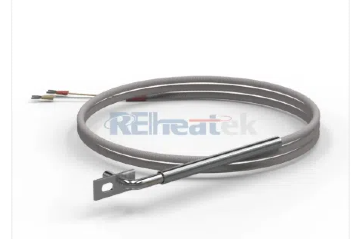
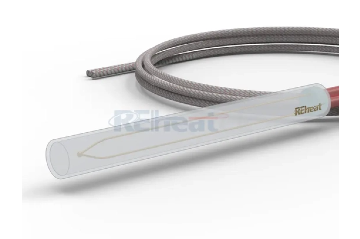
Cartridge heaters can look similar on paper—same diameter, same length, same wattage—yet quotes may differ significantly. That’s because Cartridge Heater Price is driven by more than raw dimensions: design complexity (heated zones, cold sections), material upgrades (sheath/insulation/sealing), tolerance demands, testing level, and order conditions like quantity and lead time. In many cases, price also reflects how much process control and quality assurance is needed to deliver consistent performance in your real operating environment. Understanding these factors helps you write clearer RFQs, compare quotes fairly, avoid hidden costs after installation, and optimize total cost of ownership instead of chasing the lowest unit price.
1.Size, Wattage & Watt Density
Diameter, Length, and Heated Zone Layout
The most obvious cost drivers are diameter and length because they affect material usage and processing time. Longer heaters typically require more sheath material, more internal fill, and longer heating coil assemblies. However, layout matters just as much: a heater with a precisely defined heated zone and a long cold section is more complex than a fully heated design, because the manufacturer must control where heat is generated and ensure consistent thermal transitions.
If you require multiple heated zones or special cold-end designs, expect additional manufacturing steps and more inspection. Those features can improve performance in the field, but they also increase complexity and affect Cartridge Heater Price.
Watt Density and Thermal Stress Requirements
Watt density is one of the biggest hidden price multipliers. Higher watt density often requires better compaction, tighter control of coil placement, and more robust insulation performance to prevent hotspots and dielectric breakdown. These requirements can reduce manufacturing yield and increase quality checks, which raises unit cost.
If you can achieve your process target with a slightly larger heater, multiple heaters, or improved heat sinking, you may lower sheath temperature and reduce both heater failures and price pressure at the same time.
2.Materials & Environmental Requirements
Sheath Materials and Corrosion Resistance
Material upgrades can change the quote quickly. Standard sheath options may be sufficient for many dry, moderate-temperature applications, but harsh environments (humidity, chemicals, or high operating temperatures) may require corrosion-resistant or higher-grade alloys. These materials generally cost more and can also extend lead time depending on availability.
When comparing quotes, confirm that you are comparing the same sheath material grade. Differences here are a common reason why Cartridge Heater Price varies between suppliers “for the same drawing.”
Insulation, Sealing, and Moisture Protection
Internal insulation systems and end sealing methods influence both safety and lifespan. Applications with moisture exposure, washdowns, or condensation risk often require enhanced sealing or moisture-resistant terminations. These features add parts and labor but can prevent nuisance trips and early failures.
If your heaters are frequently stored in humid areas or installed outdoors, paying for better sealing can reduce replacements and improve reliability—even if it raises initial price.
3.Tolerances, Fit & Mechanical Accuracy
Diameter Tolerance and Straightness
Tight diameter tolerance increases machining and inspection effort, and may reduce yield (more parts rejected during QC). Straightness and concentricity also matter because poor fit reduces heat transfer, forcing the heater to run hotter internally. Manufacturers that hold tighter tolerances typically invest in better process control and measurement, which increases Cartridge Heater Price but reduces field risk.
If your bore quality is inconsistent, you may be paying for tight heater tolerances without getting the benefit. In that case, improving bore machining consistency can be a better ROI than specifying extreme heater tolerance.
Special Features: Flanges, Stops, and Mounting Details
Mechanical features like collars, shoulders, threaded sections, or custom mounting stops require additional machining steps and verification. These options can reduce installation mistakes and improve repeatability, but they also add cost and lengthen production time.
If the feature prevents mis-installation, protects leads, or ensures correct insertion depth, it often pays for itself through reduced maintenance errors.
4.Leads, Terminations & Sensor Integration
Lead Type, Length, and Protection
Leads are frequently underestimated in quotes. High-temperature wire, fiberglass insulation, armored leads, braided protection, strain relief, and custom lead lengths all add components and labor. Radial lead exits can also require different internal routing and sealing, increasing complexity.
To manage Cartridge Heater Price, specify only the protection level you truly need for your environment—abrasion, movement, or heat exposure—rather than defaulting to the most expensive option.
Built-in Thermocouples or RTDs
Integrated sensors improve temperature control, but they increase cost through added parts, assembly time, and inspection. Sensor type (thermocouple vs RTD), sensor location, and wiring length affect complexity. If you request special calibration, matched sensors, or tight sensor placement tolerances, you should expect additional testing time and higher unit price.
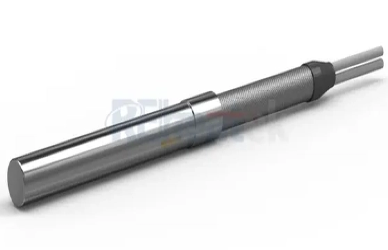
5.Quality Control, Testing & Documentation Level
Standard vs Enhanced Testing Packages
Most suppliers include baseline electrical tests such as insulation resistance and dielectric strength. Enhanced packages—hot testing, burn-in, or additional functional checks—add time and equipment usage. These upgrades typically increase Cartridge Heater Price but reduce early-life failures and improve confidence in critical production lines.
Decide testing levels based on downtime risk. For high-value processes, paying for enhanced testing is often cheaper than a single hour of unplanned stoppage.
Traceability, Reports, and Compliance Needs
If you require material certificates, serial tracking, inspection reports, or strict revision control, that documentation overhead is reflected in the quote. Some industries also require special compliance handling, which adds administrative and QC workload.
When requesting quotes, clearly state the documentation level you need so suppliers can price consistently.
6.Order Quantity, Lead Time & Supply Chain Variables
MOQ, Volume Pricing, and Repeatability
Small orders often carry a higher unit price because fixed costs—engineering review, tooling/setup, process adjustments, and inspection planning—are spread across fewer pieces. In contrast, larger volumes typically reduce unit cost through economies of scale, better material utilization, and more efficient production scheduling. When you place repeat orders for the same design, suppliers can “lock” key process parameters (materials, winding/compaction methods, inspection checkpoints), which improves consistency and lowers the ongoing engineering and changeover burden.
If your consumption is stable, sharing a rolling forecast or using a blanket order can deliver two advantages at once: more competitive Cartridge Heater Price and better delivery reliability. It also helps reduce last-minute changes, minimizes re-qualification efforts, and can enable suppliers to hold safety stock of critical materials or semi-finished parts—especially helpful for heaters with uncommon dimensions or special lead options.
Expedite Fees, Raw Materials, and Logistics
Rush orders usually cost more because they disrupt production plans, require overtime, or force suppliers to prioritize your job over scheduled work. Expediting can also increase quality risk if it compresses inspection time, so it’s worth confirming that testing and QC steps are not reduced under an urgent timeline. In addition, the market availability of special alloys, sealing materials, and high-temperature lead components can shift both pricing and lead time, particularly when supply is tight or minimum purchase quantities apply.
Logistics also influence total landed cost more than many buyers expect. Shipping terms (air vs. sea), packaging requirements (moisture-proof or protective tubes), customs duties, and destination handling can all add up—especially for international deliveries. To control surprises, ask for an itemized quote that separates unit price, expedite fees, packaging, and freight, and consider consolidating shipments or standardizing configurations to reduce variability and avoid repeated urgent orders.
FAQ
1)Is it cheaper long-term to buy standard cartridge heaters or custom ones?
Standard heaters can reduce upfront cost, but custom designs often lower failure rates and improve temperature control. If downtime is expensive or fit and heat location are critical, custom can reduce total cost.
2)What specs can I relax to reduce cartridge heater price safely?
Common opportunities include reducing overly tight tolerances, simplifying lead protection, avoiding unnecessary zone complexity, and selecting a material grade that matches—rather than exceeds—your environment.
3)Why do different manufacturers quote different prices for the same drawing?
Quotes vary due to differences in material grade assumptions, internal construction standards, testing inclusion, inspection rigor, and yield expectations. Always confirm materials, tests, and tolerances are priced the same way.
4)How do I compare total landed cost across suppliers?
Compare unit price plus shipping, lead time risk, expected service life, warranty/support responsiveness, and the cost of failures (labor, scrap, downtime). A slightly higher unit price can be cheaper overall if it avoids unplanned stoppages.
 Conclusion
The best way to optimize Cartridge Heater Price is to align specifications with real operating needs, not assumptions. Keep the performance-critical requirements—appropriate watt density, correct bore fit, suitable sheath and insulation materials, and the right level of sealing for your environment—while removing features that don’t directly improve reliability or controllability. A clear, complete RFQ (dimensions and tolerances, heated length, voltage/wattage, operating temperature, lead configuration, and environmental conditions) helps suppliers quote on the same basis, making comparisons fair and meaningful.
Most importantly, evaluate price in context: expected service life, failure risk, downtime impact, and the supplier’s engineering and after-sales support. In many applications, a slightly higher unit price can be the lower-cost choice when it reduces replacements, stabilizes temperature performance, and prevents production interruptions. The “right” heater is the one that consistently meets your process target with the lowest cost per operating hour—not simply the lowest number on the invoice.