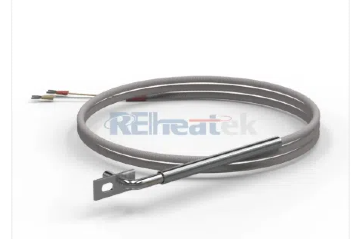
Cartridge heaters have become an indispensable heating element in many industries due to their compact size, robust construction, and ability to deliver high watt density heating. Whether used in plastic molding, packaging, medical devices, or industrial processes, cartridge heaters offer unparalleled performance and reliability.
1.What Are Cartridge Heaters?
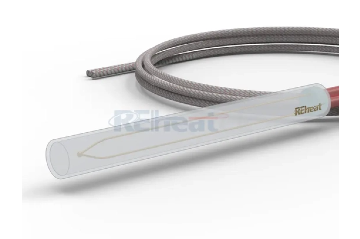
Before diving into their benefits, it’s important to understand what cartridge heaters are. Cartridge heaters are cylindrical heating elements that consist of a resistive wire coil encased inside a compact metal sheath, typically stainless steel or Incoloy. The coil is insulated with magnesium oxide (MgO), a material that provides excellent electrical insulation while enabling efficient heat transfer.
These heaters are designed to be inserted into drilled holes in metal blocks or molds, providing localized heating with high precision. The design allows them to achieve very high watt densities, meaning they can produce a large amount of heat in a relatively small volume.
2.High Watt Density and Efficient Heating
One of the most significant advantages of cartridge heaters is their ability to deliver high watt density heating. Watt density refers to the amount of power (watts) delivered per unit area of the heater surface, usually expressed as watts per square inch or square centimeter.
Why High Watt Density Matters
Faster Heating Cycles: Cartridge heaters with high watt density can reach target temperatures more rapidly than lower density alternatives. This rapid response time reduces heating cycle durations, which is critical in processes like plastic injection molding where every second counts.
Localized Heating: Because cartridge heaters are inserted directly into the part or mold to be heated, the heat is delivered exactly where it is needed. This targeted heating minimizes energy waste and enhances process efficiency.
Energy Efficiency: High watt density heaters convert electrical energy to heat very efficiently with minimal losses. This efficient energy conversion means less electricity is required to maintain operating temperatures, resulting in lower operational costs.
High Temperature Capability: Cartridge heaters can operate at high temperatures (often up to 750°C or higher depending on materials), which makes them suitable for demanding industrial applications.
Industrial Impact
For example, in plastic injection molding, the ability to rapidly and uniformly heat mold cavities affects both the quality and speed of production. High watt density cartridge heaters ensure molds reach precise temperatures quickly, reducing cycle times and improving product consistency.
3.Compact Design for Easy Installation
Cartridge heaters are prized for their compact, cylindrical design, which allows them to fit into tight spaces and difficult-to-access locations.
Benefits of Compactness
Space-Saving: The slim form factor of cartridge heaters makes them ideal for applications where space is limited. This compactness allows manufacturers to design smaller, more efficient equipment without sacrificing heating performance.
Ease of Installation: Cartridge heaters are generally installed by inserting them into a pre-drilled hole in the component or mold that requires heating. This “plug-and-play” style installation simplifies maintenance and replacement.
Versatility: The compact size enables cartridge heaters to be used across a wide range of equipment, from small laboratory devices to large industrial machines. They can be custom manufactured to almost any length and diameter, further enhancing their versatility.
Reduced Thermal Mass: The compact heater reduces thermal mass, allowing for faster heat-up and cool-down cycles, which is beneficial in processes requiring rapid temperature changes.
Practical Applications
In packaging machines, for instance, the cartridge heater’s compactness allows it to be embedded directly in sealing bars or cutting heads. This enables fast, consistent heat delivery without bulky external heating components that would complicate machine design or interfere with operation.
4.Durable and Corrosion-Resistant Materials
Durability is a hallmark of cartridge heaters, and much of this stems from the use of corrosion-resistant materials and robust construction techniques.
Key Materials Used
Sheath Materials: Stainless steel and Incoloy alloys are the most common sheath materials. These metals offer excellent resistance to corrosion, oxidation, and mechanical damage.
Magnesium Oxide Insulation: MgO not only provides electrical insulation but also enhances mechanical strength and thermal conductivity.
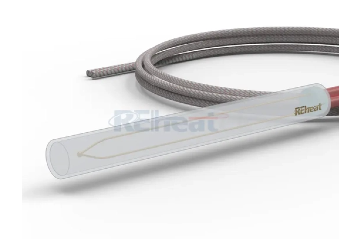
Lead Wire Protection: The heater leads are typically encased in durable, flexible sheathing such as fiberglass or stainless steel braid to protect against abrasion and environmental damage.
Advantages of Durable Construction
Longevity: Cartridge heaters are built to withstand harsh operating conditions, including exposure to chemicals, moisture, and high temperatures. This durability translates to longer operational life and less frequent replacements.
Reliability: Resistance to corrosion and oxidation ensures consistent heating performance over time. Even in demanding environments, cartridge heaters maintain their structural integrity and thermal efficiency.
Reduced Downtime: The robust design minimizes the risk of unexpected failures, thereby reducing costly production interruptions and maintenance work.
Industry Examples
In food processing, corrosion resistance is especially important due to exposure to moisture and cleaning agents. Cartridge heaters designed with stainless steel sheaths provide reliable heat without degrading, ensuring safety and compliance with food industry standards.
5.Fast Response Time and Temperature Stability
The ability to quickly reach and maintain a set temperature is crucial for many heating applications, and cartridge heaters excel in this area.
Fast Thermal Response
Low Thermal Mass: Due to their small size and efficient heat transfer materials, cartridge heaters can quickly change temperature, reaching the target heat rapidly.
Direct Heating: By being embedded inside the component to be heated, cartridge heaters minimize heat loss and speed up the thermal response.
Precision Control: When combined with accurate temperature sensors and controllers, cartridge heaters deliver tight temperature regulation, essential for processes requiring uniform heat.
Temperature Stability
Consistent Output: Cartridge heaters maintain stable temperatures over long periods, preventing overheating or underheating.
Reduced Temperature Fluctuations: Stability reduces thermal stress on parts and molds, extending their lifespan and improving product quality.
Improved Process Control: Stable temperatures allow operators to optimize process parameters, resulting in higher throughput and better quality control.
Application Insights
In semiconductor manufacturing, for example, temperature stability is critical during wafer processing. Cartridge heaters enable precise thermal management, ensuring process uniformity and yield optimization.
6.Additional Benefits and Considerations
Customization Options
Cartridge heaters can be custom engineered to specific lengths, diameters, wattages, and sheath materials to suit unique application requirements. This flexibility makes them suitable for virtually any industrial heating need.
Safety Features
Many cartridge heaters include features such as internal thermostats or thermal fuses to prevent overheating and improve operational safety.
Cost-Effectiveness
While cartridge heaters may have a higher upfront cost than simpler heating elements, their efficiency, durability, and performance lead to lower lifecycle costs.
7.Conclusion
Cartridge heaters provide an exceptional blend of high watt density, compact design, durability, and precise, stable temperature control. These advantages make them the preferred heating solution across diverse industries, including plastic molding, packaging, medical devices, and semiconductor manufacturing.
Choosing high-quality cartridge heaters not only enhances energy efficiency and operational reliability but also improves process accuracy and product quality. For businesses seeking customized heating solutions tailored to specific requirements, Suzhou Reheatek Co., Ltd. stands out as a trusted partner. With their expertise and commitment to innovation, Reheatek delivers durable, efficient cartridge heaters designed to optimize your applications.
To learn more about their product offerings or discuss your project needs, visit www.reheatek.com or contact their professional team today. Elevate your heating performance with Reheatek’s proven technology and industry experience.